An evening of commitment: GALRY contributes to the Dîner de l’Océan charity auction
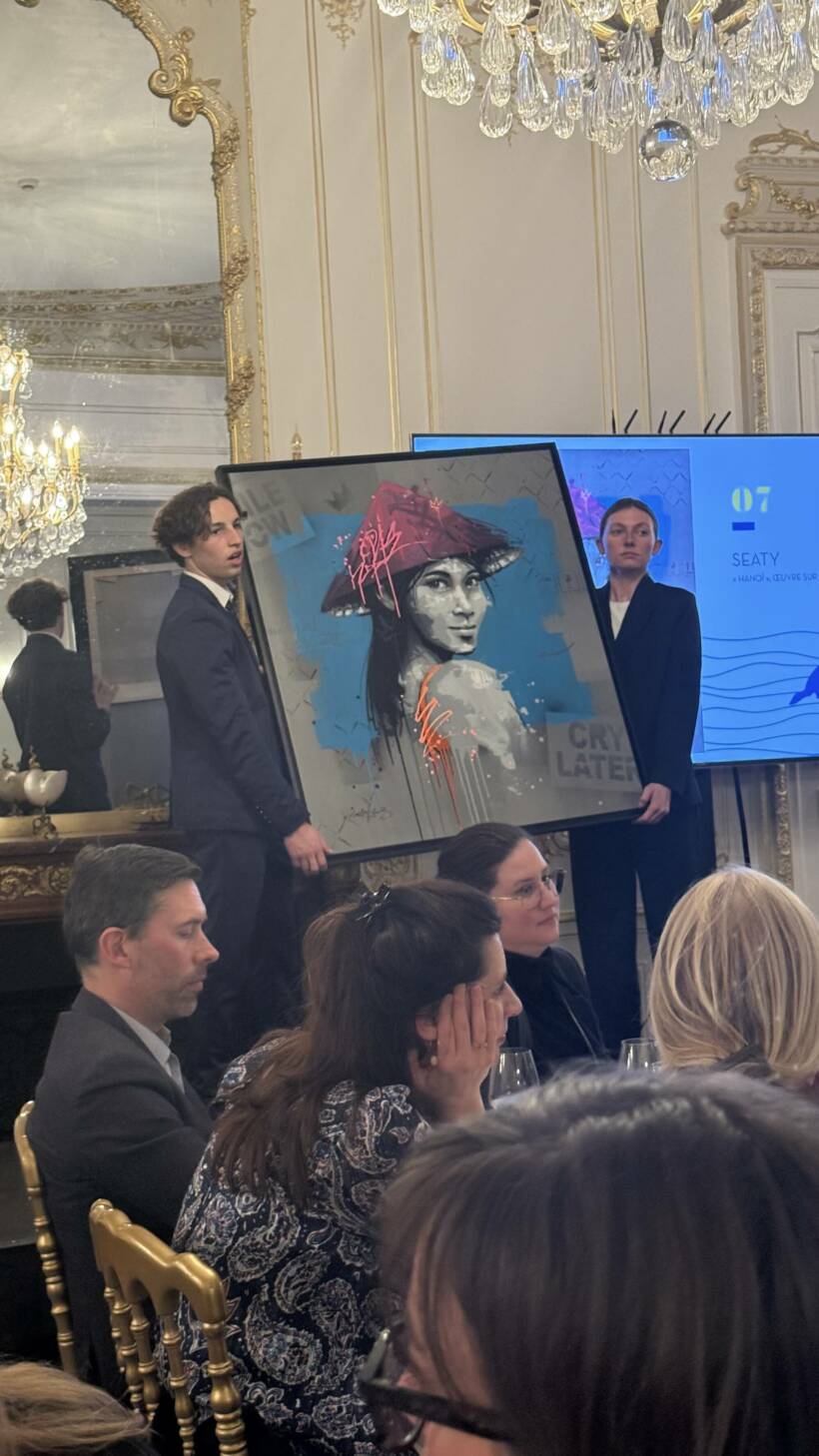
In Paris, GALRY took part by donating a work by the artist Seaty, at the heart of a charity auction that brought together more than 130 guests committed to preserving marine ecosystems.
A COLLECTIVE COMMITMENT IN SUPPORT OF THE OCEAN
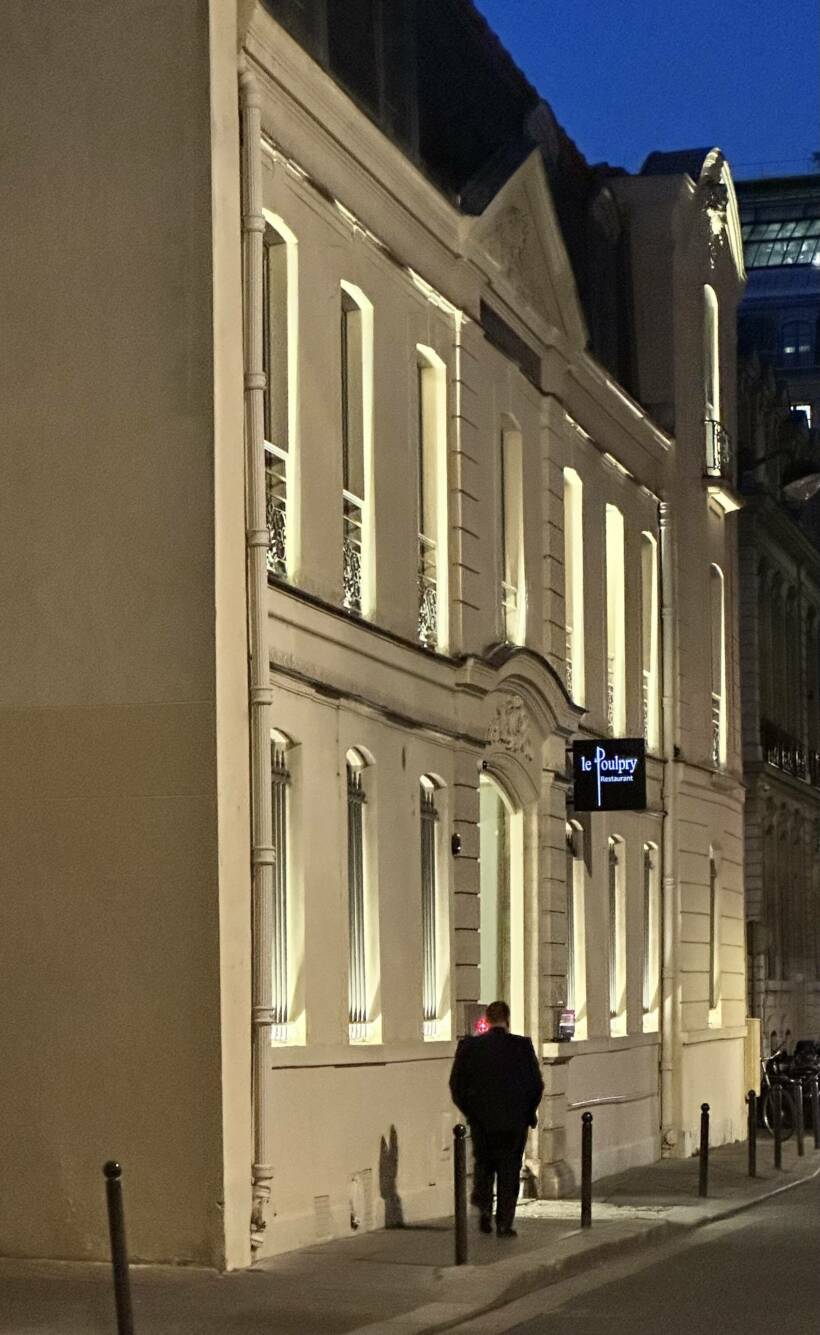
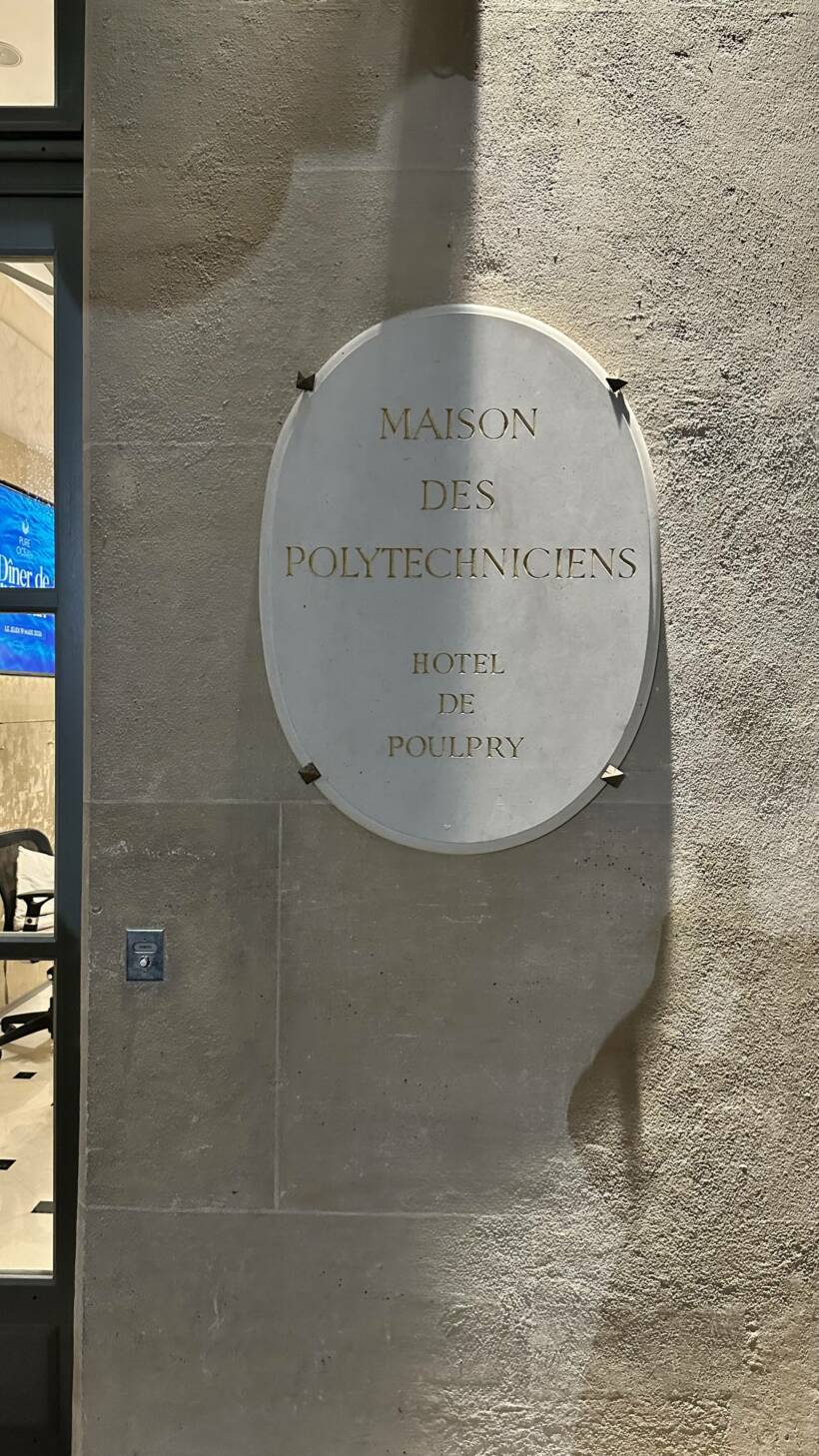
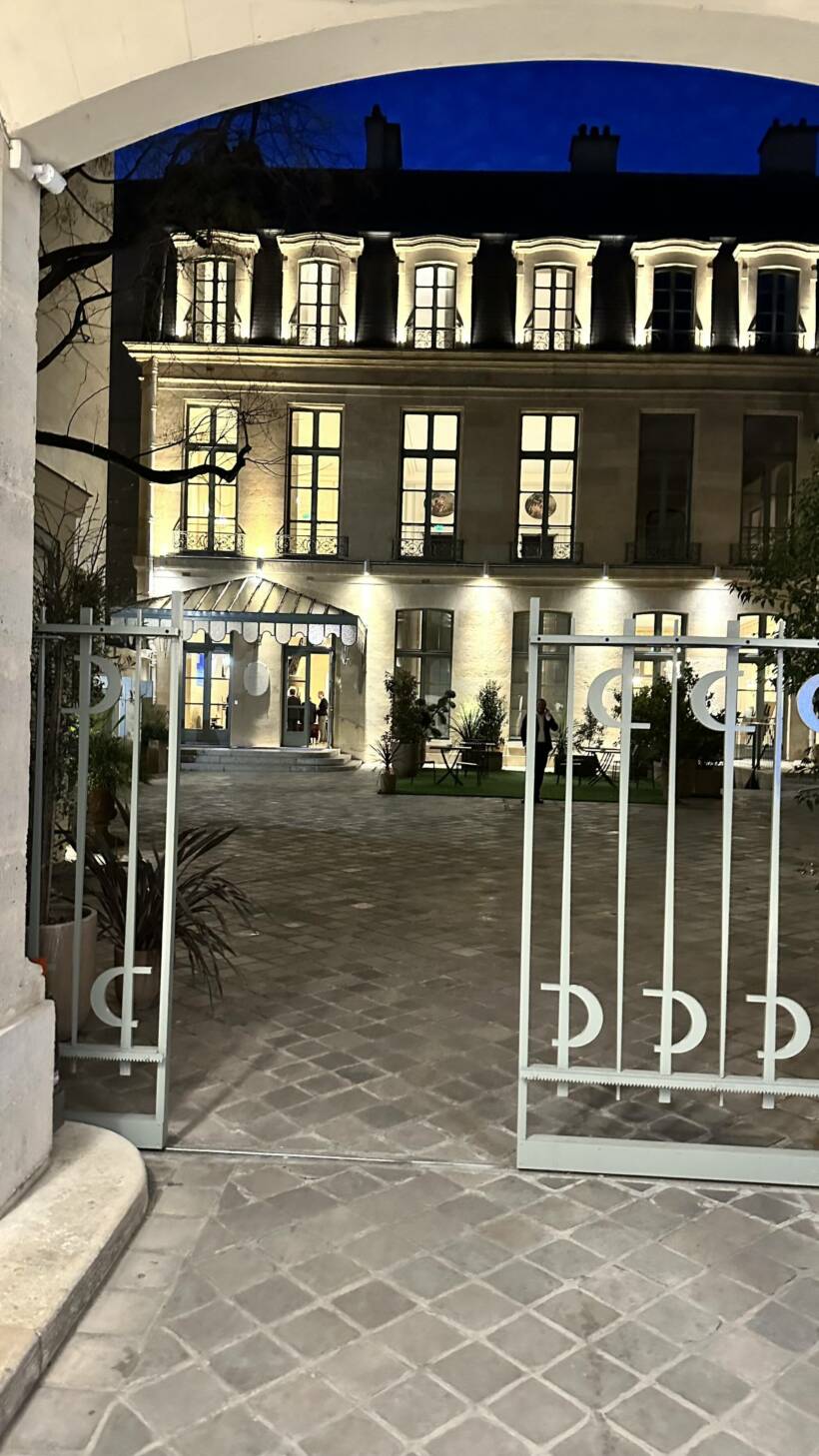
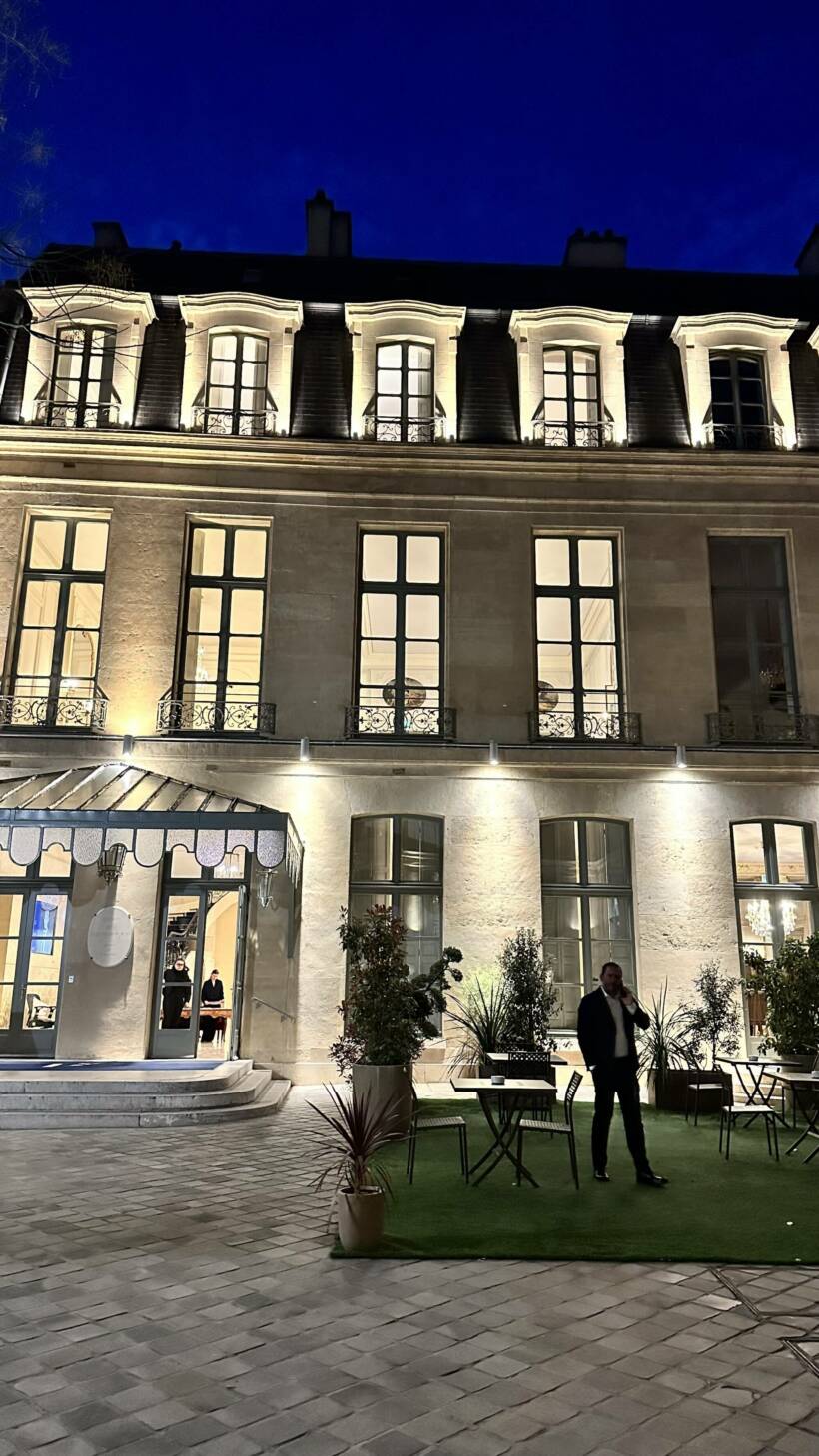
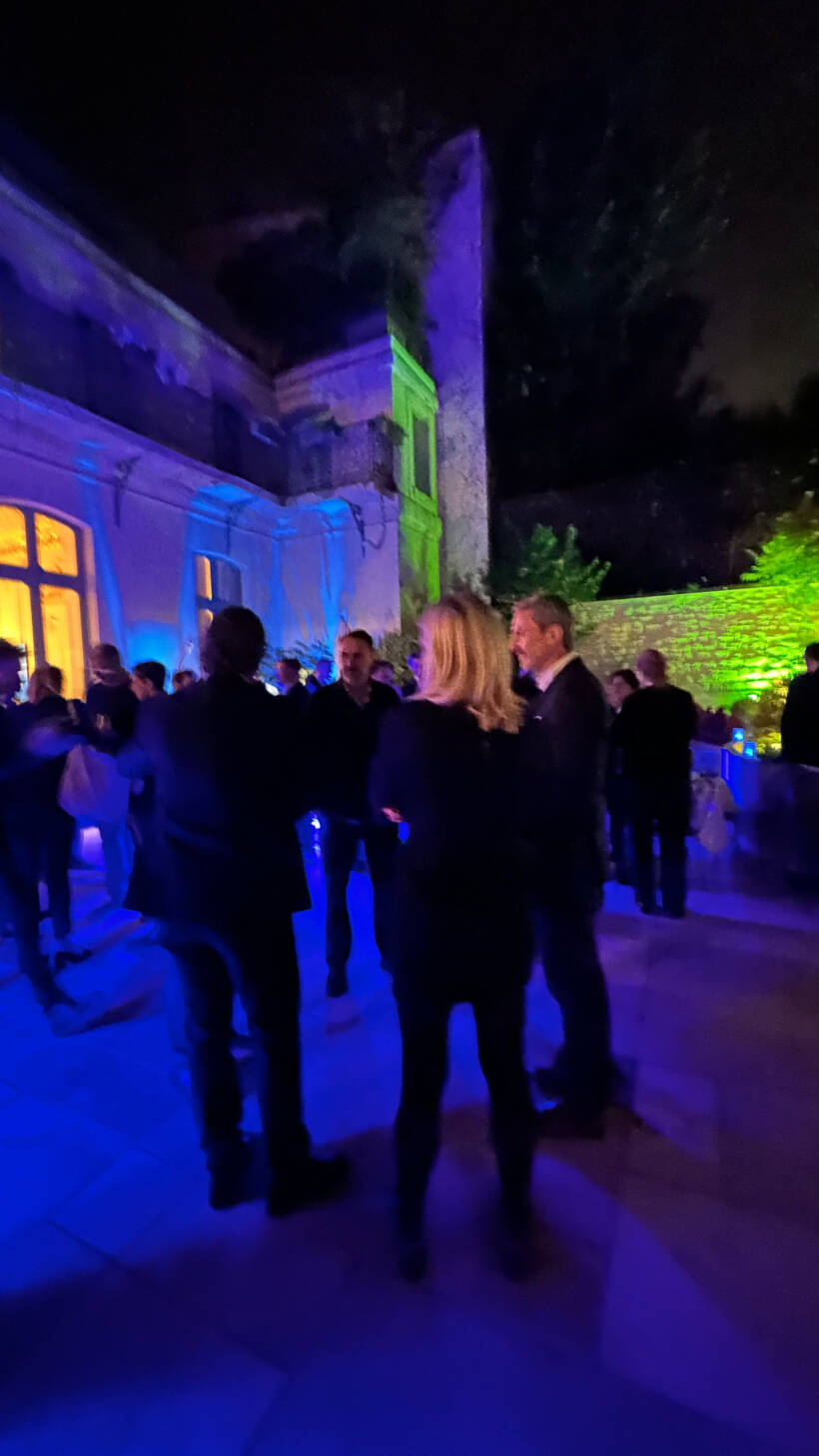
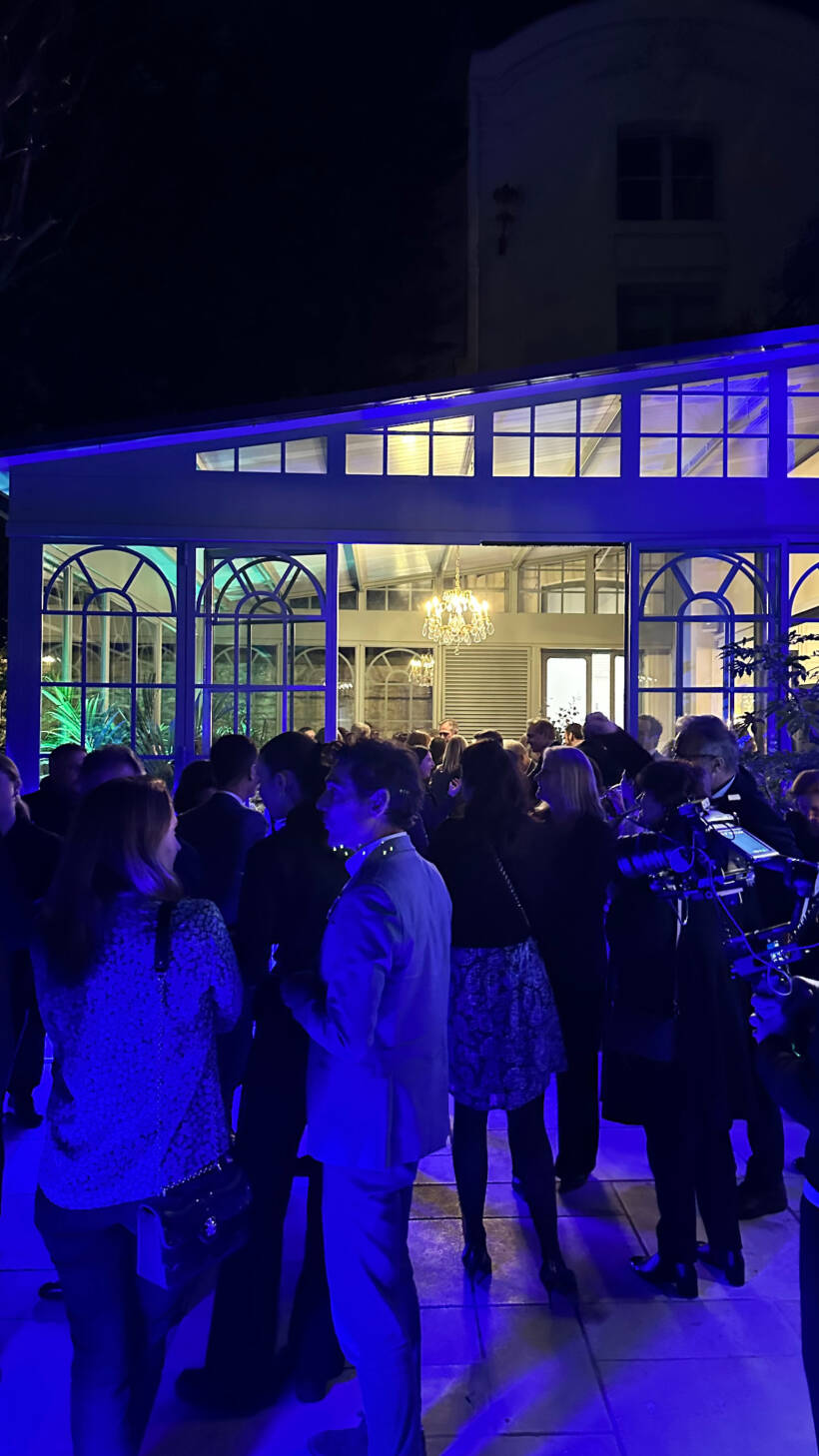
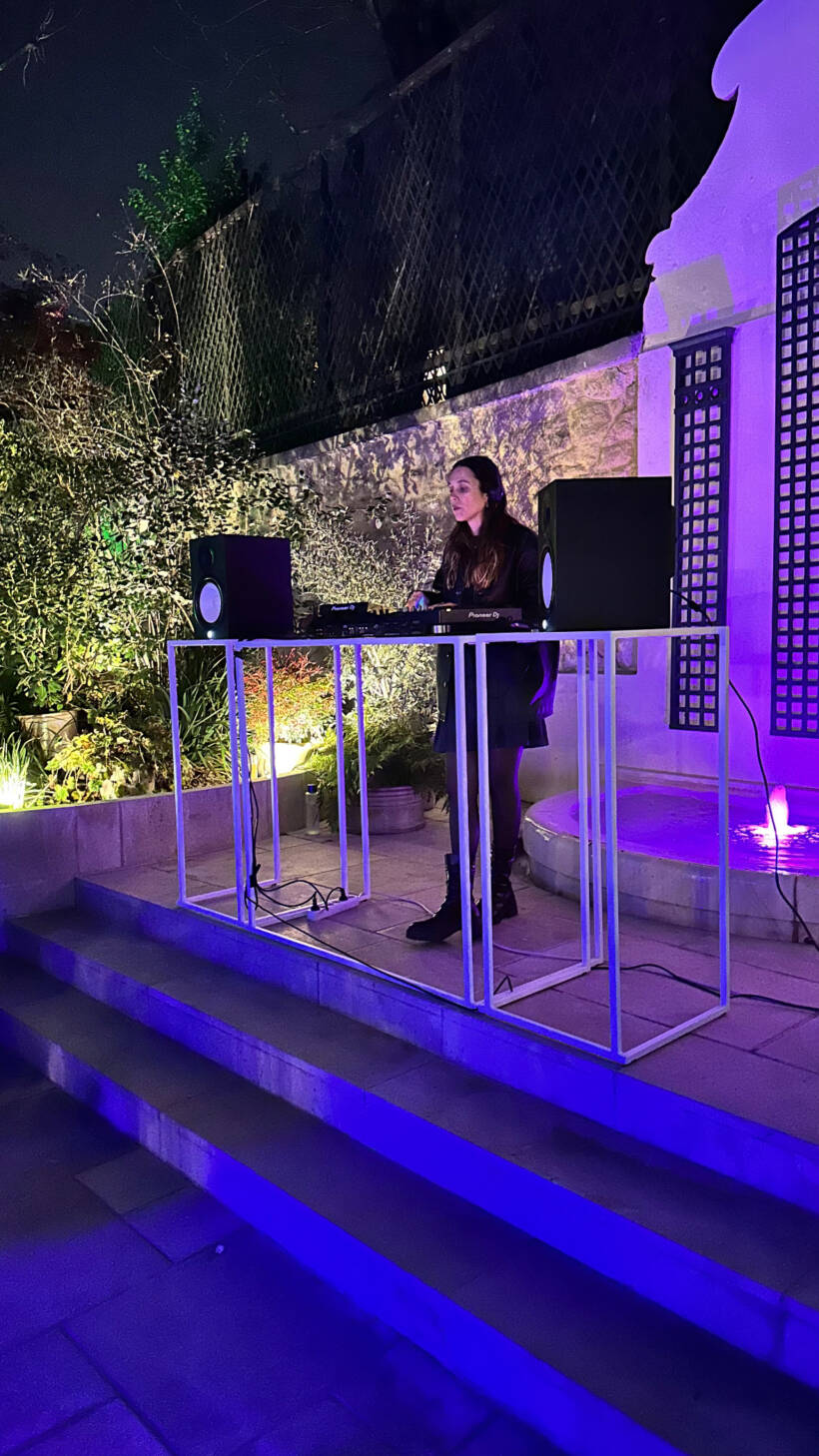
On Thursday, March 19, the Hôtel de Poulpry – Maison des Polytechniciens in Paris hosted the Dîner de l’Océan, a charity evening organized by the Pure Ocean foundation. Based in
Marseille, the foundation actively funds scientific projects dedicated to protecting marine ecosystems.
Nearly 130 guests from Marseille and Paris attended the event. Together, they expressed a shared commitment to addressing a major environmental challenge.
A CHARITY AUCTION AT THE HEART OF THE EVENING
The charity auction stood out as the highlight of the evening. It raised funds to support the foundation’s research programs. All proceeds will finance public-interest initiatives dedicated
to the ocean.
Journalist Thomas Hugues hosted the evening, bringing clarity and engagement shaped by his expertise in societal issues. Auctioneer Yonathan Chamla led the sale with professionalism
and energy, turning it into a powerful moment of generosity and collective mobilization.
This initiative brought together artists, galleries, and patrons around a shared ambition: placing artistic creation at the service of environmental engagement.
GALRY, ART IN ACTION FOR A CAUSE
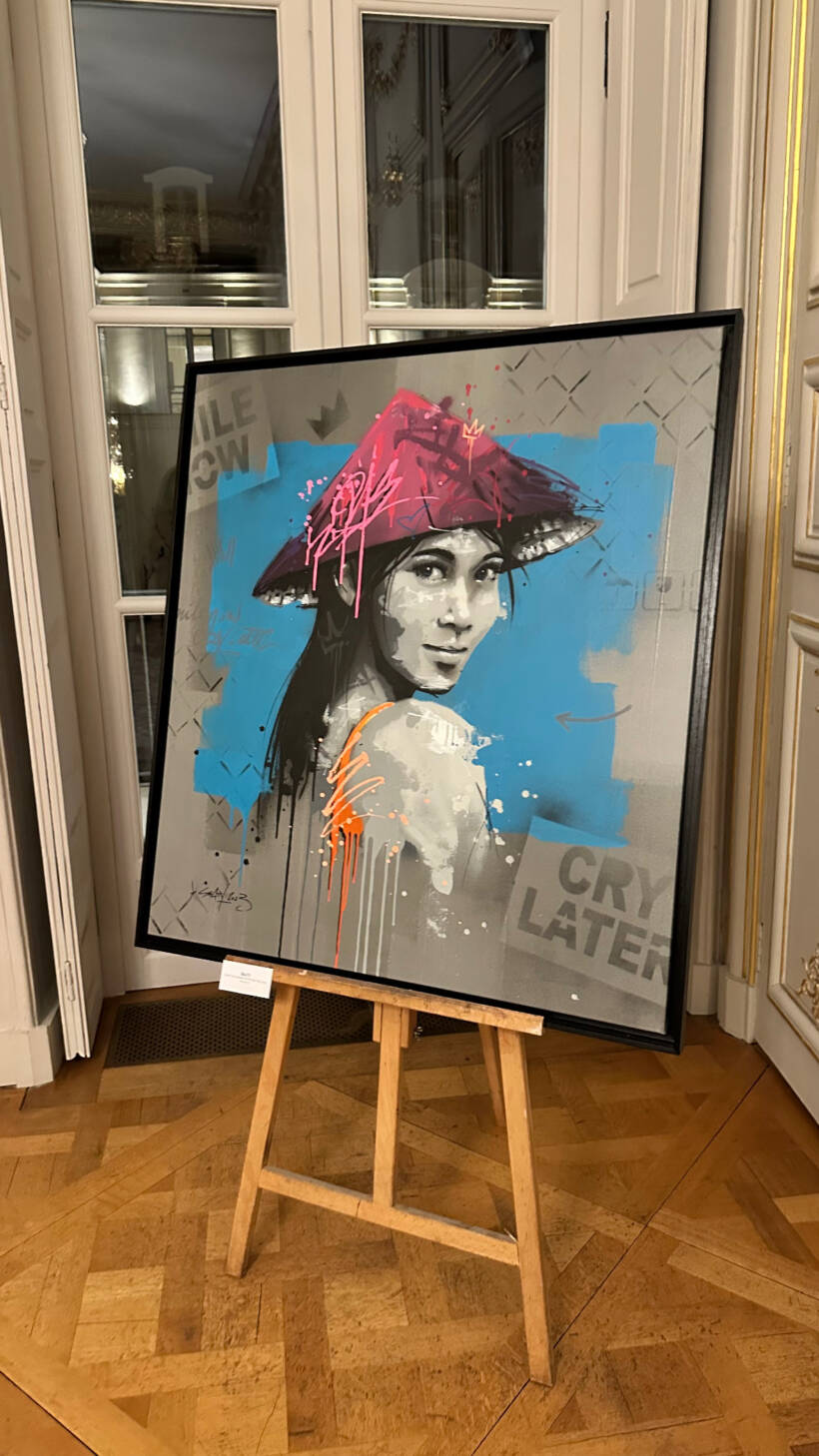
As part of this initiative, GALRY contributed to the auction by offering a work by artist Seaty, titled Hanoï. This piece reflects the artist’s distinctive style, combining a black-and-white
portrait with vibrant touches inspired by street art. The result creates a dialogue between realism and urban energy.
Through this contribution, GALRY reaffirms its commitment to meaningful artistic projects while supporting concrete environmental initiatives.
WHEN ART BECOMES A DRIVER OF IMPACT
This evening highlights the growing role of art in driving engagement. It shows how contemporary creation can raise awareness and inspire action.
By bringing together artists, collectors, and committed stakeholders, the Dîner de l’Océan creates a space for collective action. It reminds us that collaboration between culture,
science, and civil society remains essential to addressing today’s environmental challenges.